CISA adds Barracuda, Cisco, Outlook and Chrome bugs to exploited list
CISA listed 10 exploited flaws on Nov. 9 and 10. Agencies must patch the two Barracuda bugs by Nov. 13 and most others by Nov. 24.
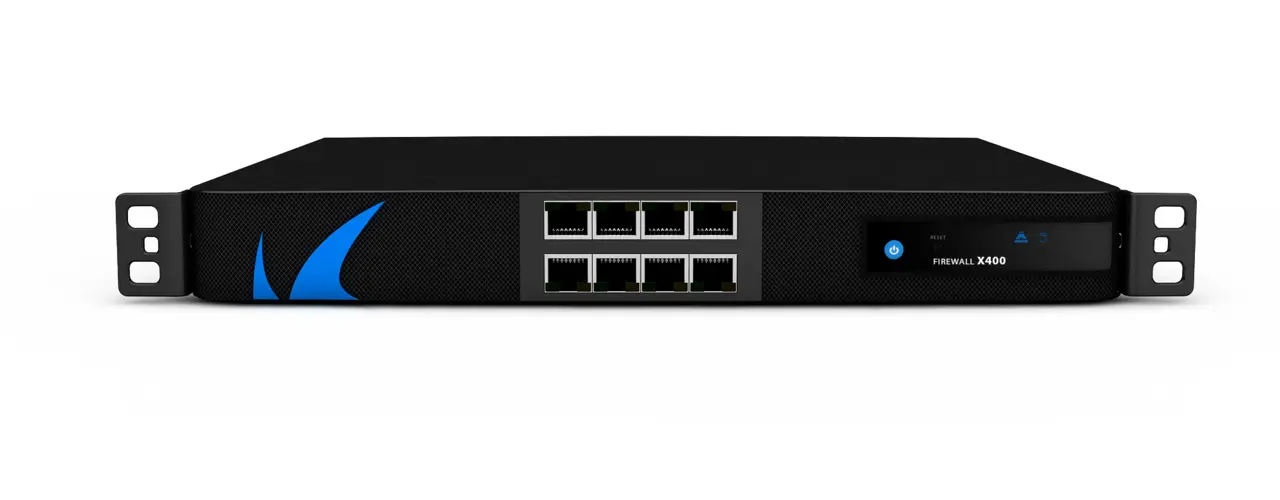
What CISA added on Nov. 9 and Nov. 10
The Cybersecurity and Infrastructure Security Agency (CISA) added six vulnerabilities to its Known Exploited Vulnerabilities (KEV) catalog on Nov. 10, 2026, and four more on Nov. 9, for 10 additions in two days. The catalog file released Nov. 10 at 19:03 UTC lists 1,779 entries. The Nov. 10 additions are Microsoft Outlook (CVE-2026-124194), Google Chromium (CVE-2026-125350), Cisco BroadWorks (CVE-2026-20320), Openwave Webtop Media Transcoder (CVE-2026-111793) and two Barracuda Networks flaws (CVE-2026-111560 and CVE-2026-116606).[1]
The four Nov. 9 additions are GPUStack (CVE-2026-102895, unauthenticated administrative access), OpenSSH on Linux (CVE-2026-123158, authentication bypass), SignalWire FreeSwitch (CVE-2026-116779, code injection) and IBM Aspera Faspex (CVE-2026-123218, privilege escalation by an authenticated user). CISA lists known ransomware campaign use as "Unknown" for all 10. The federal due dates in the catalog are Nov. 12 for the four Nov. 9 entries, Nov. 13 for the two Barracuda entries and Nov. 24 for the other four Nov. 10 entries.[1]
Barracuda confirms exploitation of two patched flaws
Barracuda Networks updated its advisory on Nov. 9 at 9:00 p.m. EST to say it had identified exploitation activity affecting a small number of organizations. The flaws are CVE-2026-116606, an authentication bypass in the Email Security Gateway rated 9.3 on the CVSS scale, and CVE-2026-111560, a command injection rated 8.6 that runs commands with root privileges and needs administrative access. Barracuda's patch table covers the Email Security Gateway, Application Delivery Controller, Message Archiver, WAF Control Center, Web Application Firewall and Web Security Gateway, and the advisory says the flaws were first published Nov. 2.[2]
SecurityWeek reported on Nov. 11 that the security firm Previdian recorded 17 attempts against CVE-2026-116606 between Nov. 9 and Nov. 11, from 15 IP addresses in three countries, and that Barracuda and CISA had not shared details of the attacks. The site's Nov. 4 report on the patches said security firms knew of no exploitation at that time.[3][2]
Cisco BroadWorks and Openwave flaws
Cisco published its advisory for CVE-2026-20320 on Aug. 19, 2026. The flaw is an out-of-band blind XML external entity injection in BroadWorks with a CVSS score of 7.5 that lets an unauthenticated attacker read configuration information. Cisco listed no workarounds and a first fixed release of RI.2026.07, and said then that its security team was not aware of malicious use.[4]
The Hacker News reported on Nov. 11 that Malbear Labs tied exploitation of the flaw to a campaign it calls Operation Snowball, run by an unknown Chinese-speaking actor, with a European telecom operator among the targets. The 420, also on Nov. 11, wrote that public advisories had not attributed the exploitation to a specific group. The site could not independently confirm the Malbear Labs attribution.[5][6]
The Japan Vulnerability Notes entry JVNVU#93403064, published Nov. 9, covers CVE-2026-111793 in Openwave Webtop Media Transcoder versions before 1.1.22.0 and says the developer states that attacks exploiting the flaw have been observed. The Hacker News gives the flaw a CVSS score of 4.3 and says it needs an authenticated user.[7][5]
Outlook and Chrome zero-days now on the list
The Outlook flaw, CVE-2026-124194, is the spoofing bug Microsoft fixed in its Nov. 10 update, and the Chromium flaw, CVE-2026-125350, is a use-after-free in the XML component. The Chrome Releases post of Nov. 9 says Google is aware that an exploit for CVE-2026-125350 exists in the wild and gives the fixed builds as 157.0.8103.50 or .51 on Windows and Mac and 157.0.8103.50 on Linux. CISA's entry says the Chromium flaw can also affect Microsoft Edge and Opera. Both listings carry a Nov. 24 federal due date.[1][8]
OpenSSH fix and the federal deadlines
CISA's OpenSSH entry points to an Alpine Linux advisory dated Nov. 5 about a password authentication bypass in openssh-server. Alpine tells administrators to update the package and restart sshd, because the upgrade alone does not replace the running daemon. Alpine's page did not claim exploitation and said no CVE number had been assigned when it was written.[9][1]
Federal civilian agencies have until Nov. 12 for the four Nov. 9 additions, Nov. 13 for the two Barracuda flaws and Nov. 24 for the rest, according to the catalog. The site's exploited-vulnerabilities tracker follows each new KEV entry.[1]
Timeline
Cisco publishes its advisory and fix for the BroadWorks flaw CVE-2026-20320.[4]
Barracuda publishes its advisory and patches for CVE-2026-116606 and CVE-2026-111560.[2]
Barracuda updates its advisory to report exploitation; CISA adds four flaws to the catalog.[2][1]
CISA adds six more flaws, including Barracuda, Cisco, Outlook and Chromium entries.[1][5]
Federal due date for the two Barracuda flaws.[1]
Federal due date for the Outlook, Chromium, Cisco and Openwave flaws.[1]
Sources
- CISA: Known Exploited Vulnerabilities Catalog (release of Nov. 10, 2026) 2026-11-10
- Barracuda Networks: Pre-Authentication Authorization Bypass and Command Injection Vulnerabilities in Certain Barracuda Products 2026-11-09
- SecurityWeek: Recently Patched Barracuda Vulnerabilities Exploited in Attacks 2026-11-11
- Cisco: Cisco BroadWorks Out-of-Band Blind XML External Entity Injection Vulnerability (cisco-sa-bworks-xxe-uwUd7CEt) 2026-08-19
- The Hacker News: Cisco BroadWorks and Openwave Flaws Actively Exploited Despite Available Patches 2026-11-11
- The 420: CISA Mandates Urgent Patches for Exploited Cisco and Openwave Security Bugs 2026-11-11
- JVN: JVNVU#93403064: Webtop Media Transcoder vulnerable to incorrect resource transfer between spheres 2026-11-09
- Chrome Releases: Stable Channel Update for Desktop 2026-11-09
- Alpine Linux: Security advisory: openssh-server password authentication bypass 2026-11-05
Spotted an error? Report a correction. Read how we work.