US seizes or restrains $1.2 billion of Binance haul, hits FaceStealer
The Justice Department said Nov. 12 it holds court orders on over $1.2 billion of stolen Binance crypto and seized FaceStealer cloud infrastructure.
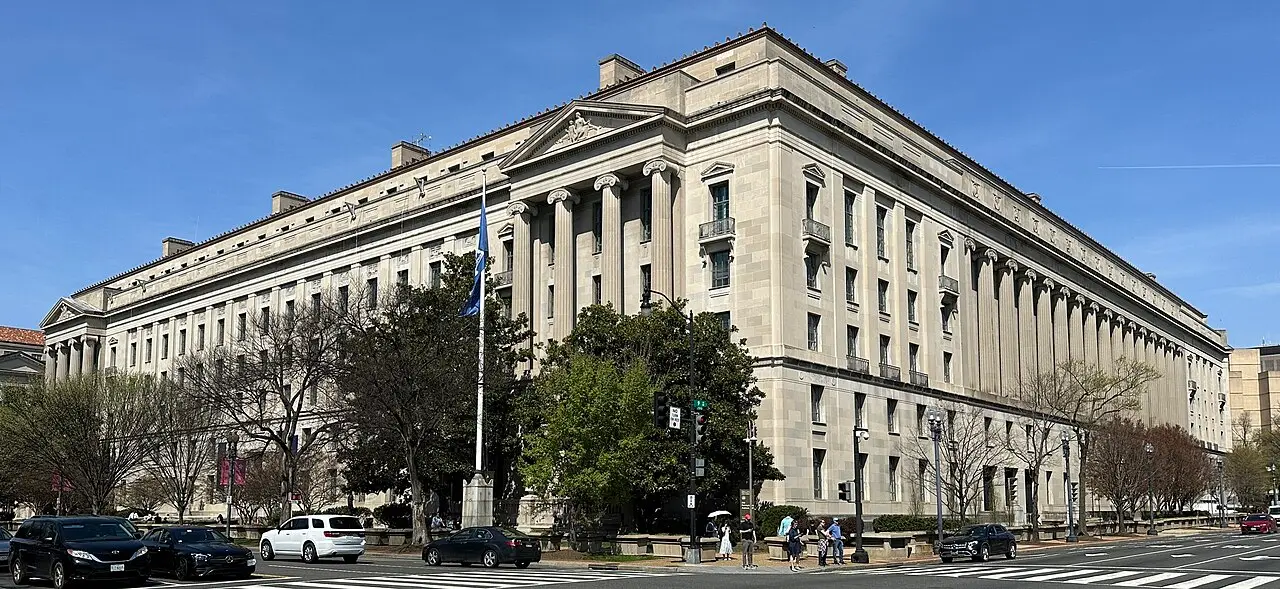
What the Justice Department announced
The U.S. Justice Department said on Nov. 12, 2026 it had obtained court authorization to seize or restrain more than $1.2 billion of cryptocurrency stolen from the Binance exchange by North Korean hackers. The department also said it seized cloud-based infrastructure used in a separate North Korean scheme the FBI calls FaceStealer, which has resulted in the theft of more than $400 million worth of cryptocurrency.[1]
The department said members of the North Korean military, referred to by the FBI as TraderTraitor, stole more than $6 billion worth of virtual assets from Binance on or about Oct. 29. Cybersecurity Dive put the theft at roughly $6.3 billion.[1][5]
Government and private sector efforts have so far frozen more than $2.7 billion, the department said. The $1.2 billion covered by court orders is part of that total and is not an additional recovery, Nextgov reported. The AP described the government and private efforts as having "combined to freeze more than $2.7 billion of the stolen funds."[1][3][4]
FBI Cyber Branch Operations Director Brett Leatherman said "The North Korean regime relies on proceeds from large-scale cryptocurrency theft" to fund its weapons program, according to the release.[1]
How the FaceStealer scheme works
The FBI said FaceStealer relies on imposter versions of Zoom, Microsoft Teams and Google Meet controlled by the hackers. Targets receive invitations from genuine Telegram, LinkedIn, Slack or Discord accounts that were hijacked from earlier victims, the bureau said.[2]
Once a target joins, the hackers play prerecorded webcam video of previous victims the target knows and record the target's own webcam, the FBI said. They then claim an audio problem or other technical error and guide the target to click an update link, run a script or paste code into a terminal. The FBI said that step installs malware including a browser cookie harvester, keyloggers, screen capturers and a backdoor.[2]
In several reported cases, the hackers stole cryptocurrency and hijacked communication accounts months to more than a year after the first compromise, the FBI said. The bureau attributed the activity to North Korean state-sponsored groups known publicly as Sapphire Sleet, UNC1069, Dangerous Password, CryptoCore, APT38, BlueNoroff and Stardust Chollima.[2][1]
The FBI said the hackers have begun using what it calls "super intelligence (SI)" to make deepfake videos of well-known people in the cryptocurrency and web3 industries. The scheme still relies overwhelmingly on stolen genuine victim video, the bureau said. Jeremy Robertson, special agent in charge of the FBI Los Angeles Field Office, told reporters, according to Nextgov: "This is not something we can patch."[2][4]
Open-source maintainers targeted
The FBI said the hackers have also used FaceStealer against open-source software developers and maintainers to reach their devices and repository accounts. Earlier this year, the bureau said, the hackers lured the maintainer of a significant JavaScript library into a fake Teams call, infected his computer and used his access to create malicious dependencies. The library receives tens of millions of downloads per week, and quick detection stopped the attack, according to the FLASH.[2]
The FBI said it is aware of several other attempts aimed at maintainers on the NPM JavaScript registry and, more recently, maintainers of Rust crates. The Justice Department said this targeting appears calculated to enable software supply-chain attacks.[2][1]
What the FBI seized and recommends
Under a federal warrant, the FBI seized more than 900 webcam videos of FaceStealer victims, the Justice Department said. Cybersecurity Dive reported that agents obtained a court's permission for the seizure.[1][5]
The FBI published FLASH AC-111226-MS on Nov. 12, 2026 and created a hub at fbi.gov/facestealer. Its recommendations include joining calls through the official Zoom or Teams app with an invite code, keeping the webcam off until the inviter is visible and heard, never running scripts to fix a call client, and confirming meetings through a second channel. The bureau asked anyone who suspects compromise to file a report at IC3.gov with the keyword FaceStealer.[2][1]
What happens to the seized Binance funds
A senior Justice Department official told Nextgov the government now has custody of the funds covered by the court orders. Returning them would generally require court proceedings on ownership, and it is too early to say how that will unfold, the official said. The AP reported that the government typically files a forfeiture claim and a judge decides who has a legitimate claim.[4][3]
Officials said, according to Nextgov, that the Binance theft and FaceStealer likely involved different North Korean actors. The Justice Department said TraderTraitor actors continue to launder the stolen assets through cryptocurrency bridges, mixers and exchanges. "Efforts to trace, freeze, seize, and forfeit the stolen virtual assets are ongoing," Cybersecurity Dive reported, citing the department.[4][1][5]
The Signal Edition reported on Nov. 3 that the FBI had blamed North Korea for the roughly $6.3 billion Binance theft. The Justice Department's release did not say when or how any of the frozen funds would go back to victims.[6][1][5]
Timeline
On or about Oct. 29, North Korean military hackers the FBI calls TraderTraitor stole more than $6 billion worth of virtual assets from Binance, the Justice Department said.[1]
The Signal Edition reported that the FBI blamed North Korea for the roughly $6.3 billion Binance theft.[6]
The Justice Department announced court authorization to seize or restrain more than $1.2 billion of the stolen Binance assets, part of more than $2.7 billion frozen, and the seizure of FaceStealer infrastructure and more than 900 victim webcam videos.[1][4]
The FBI published FLASH AC-111226-MS describing the FaceStealer scheme, which it said stole more than $400 million over 18 months, and asked victims to report at IC3.gov with the keyword FaceStealer.[2]
Sources
- U.S. Department of Justice: Justice Department Announces Actions to Disrupt North Korea's Massive Theft of Cryptocurrency 2026-11-12
- FBI (IC3): FLASH AC-111226-MS: North Korean Hackers Use Secretly Recorded Webcam Library of 900+ Tech Workers in $400M "FaceStealer" Crypto Theft Scheme 2026-11-12
- Associated Press (via Spectrum News 13): FBI says US has seized $1.2 billion worth of cryptocurrency stolen from Binance 2026-11-12
- Nextgov/FCW: FBI disrupts intricate North Korean fake-call scheme tied to $400M in crypto theft 2026-11-12
- Cybersecurity Dive: US cracks down on North Korean cryptocurrency-theft scheme, recovers more Binance funds 2026-11-13
- The Signal Edition: FBI blames North Korea for $6.3 billion Binance hack 2026-11-03
Spotted an error? Report a correction. Read how we work.