ULA Vulcan fails in flight, losing 40 Amazon Leo satellites
Developing: ULA's Vulcan rocket suffered an anomaly 10 minutes after its Nov. 15 launch and did not reach orbit. The cause is not yet known.
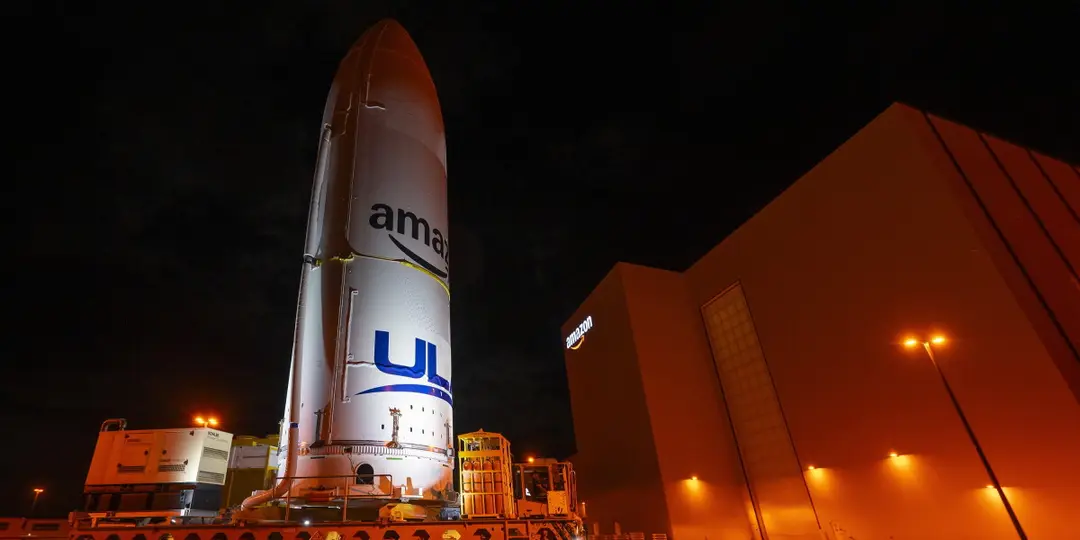
What happened on Vulcan's Nov. 15 launch
United Launch Alliance (ULA)'s Vulcan rocket suffered an anomaly about 10 minutes into its flight on Nov. 15, 2026 and failed to deliver its Amazon Leo mission to orbit, ULA said. The rocket carried 40 Amazon Leo satellites, and Spaceflight Now, Space.com and Engadget reported them lost. The rocket lifted off at 12:40 p.m. EST (17:40 UTC) from Space Launch Complex 41 at Cape Canaveral Space Force Station in Florida. Spaceflight Now described the result as the first outright failure of a ULA rocket since the company formed in 2006.[1][2][3][4]
ULA said it is "committed to full transparency" with customers and will work with Amazon and other organizations to find the cause, according to Spaceflight Now. ULA also said it did not have "any specific data yet" to understand what occurred, Space.com reported.[1][2]
The flight was the first Vulcan launch for Amazon Leo, called Vulcan Leo 1, and the fifth Vulcan flight, Spaceflight Now and Space.com reported. Spaceflight Now said it was Vulcan's first flight in nine months. Engadget reported that a refuelling issue scrubbed a launch attempt on Friday and that controllers called a hold at T-minus 20 seconds on Sunday for an unknown technical issue. Spaceflight Now attributed the Friday scrub to a gaseous nitrogen plant problem.[1][2][3]
PreviouslyAmazon Prime settlement refunds: who qualifies for up to $200
What went wrong, based on reports so far
ULA has not said what failed. Spaceflight Now reported that the six solid rocket boosters appeared to work normally and fell away about 1 minute 40 seconds after liftoff, and that the first stage appeared to burn longer than planned and to separate later than expected. A telemetry-driven animation in the Spaceflight Now report showed the Centaur upper stage making unusual orientation adjustments early in its burn. The Centaur burn was planned to last 12 minutes 15 seconds, and ULA's update said something went wrong during it. Engadget likewise reported that the first stage's methane engines fired longer than expected. Spaceflight Now did not give the altitude or speed at the time of failure.[1][3]
The cause is not publicly known. Space.com wrote that it is unclear what caused the anomaly.[2]
What the loss means for Amazon Leo
In an update dated Oct. 14, Amazon said it had launched nearly 400 Leo satellites across 14 missions. Space.com put the figure at about 400 satellites on 15 launches. Spaceflight Now said the Vulcan flight would have brought the total launched to 436.[5][2][1]
The outlets differ on the size of the full constellation: Spaceflight Now says it needs more than 3,300 satellites, Space.com says more than 3,200, and Engadget cites 3,232 planned in orbit by July 2029.[1][2][3]
Amazon's launch page, published Nov. 9 and updated Nov. 14, described Leo Vulcan 1 as the first of 38 launches Amazon has on contract with ULA. Spaceflight Now said Amazon must wait for ULA's investigation before flying Vulcan again and is also waiting on Blue Origin's New Glenn, which had an on-pad explosion in May.[4][1]
Engadget reported that the Federal Communications Commission required 1,600 satellites in orbit by July 31, 2026, that Leo had about 390 in service, and that many planned launches are now likely to be delayed. Engadget did not say whether Amazon has an extension or waiver.[3]
Neither Amazon page carried a statement on the failure when read on Nov. 16, and none of the three news outlets quoted a new Amazon statement.[4][5][1][2][3]
Vulcan's record before this flight
Vulcan debuted in January 2024 and had flown four times before Nov. 15, Space.com reported. On the second flight in October 2024 and the fourth in February 2026, a solid rocket booster nozzle burned through and fell off about 30 seconds after launch; both flights still delivered their payloads. Vulcan's third and fourth flights were Space Force missions, and the Space Force then paused national security launches until ULA addressed the problem.[2]
Spaceflight Now said ULA's chief executive had previously said the company identified three credible causes of the nozzle problem. The three outlets did not link the Nov. 15 failure to the nozzle issue, and Spaceflight Now reported that the boosters appeared to work normally on this flight.[1][2][3]
What happens next
ULA's investigation will decide when Vulcan flies again. Spaceflight Now said the rocket faces a potentially significant grounding and gave no return-to-flight date. NASA Administrator Jared Isaacman said on X that NASA is available to assist with the investigation, per Spaceflight Now.[1]
Amazon's next Leo launch is an Arianespace Ariane 64 carrying 36 satellites from Kourou, French Guiana, targeted for no earlier than Nov. 23, according to Amazon's mission updates page.[4][5]
Timeline
Amazon publishes its launch page for the first Leo mission on Vulcan, Leo Vulcan 1 (LV-01), the first of 38 ULA launches it has contracted.[4]
Vulcan lifts off at 12:40 p.m. EST and suffers an anomaly about 10 minutes into the flight; ULA says the rocket failed to deliver its Amazon Leo mission to orbit.[1][2][3]
Arianespace targets Amazon's next Leo launch, an Ariane 64 with 36 satellites from Kourou, no earlier than this date.[4][5]
Sources
- Spaceflight Now: ULA suffers first total mission failure with loss of Vulcan rocket carrying 40 Amazon Leo satellites 2026-11-15
- Space.com: Vulcan Centaur rocket fails during return-to-flight launch, 40 Amazon satellites lost 2026-11-15
- Engadget: ULA Vulcan rocket failure destroys 40 Amazon Leo satellites 2026-11-16
- Amazon: Amazon Leo to launch 40 satellites on its first Vulcan mission 2026-11-09
- Amazon: Amazon Leo mission updates: Nearly 400 satellites in orbit; next Ariane 6 launch date announced 2026-10-14
Spotted an error? Report a correction. Read how we work.